















Rethinking 1‑MCP and the role of natural ripening
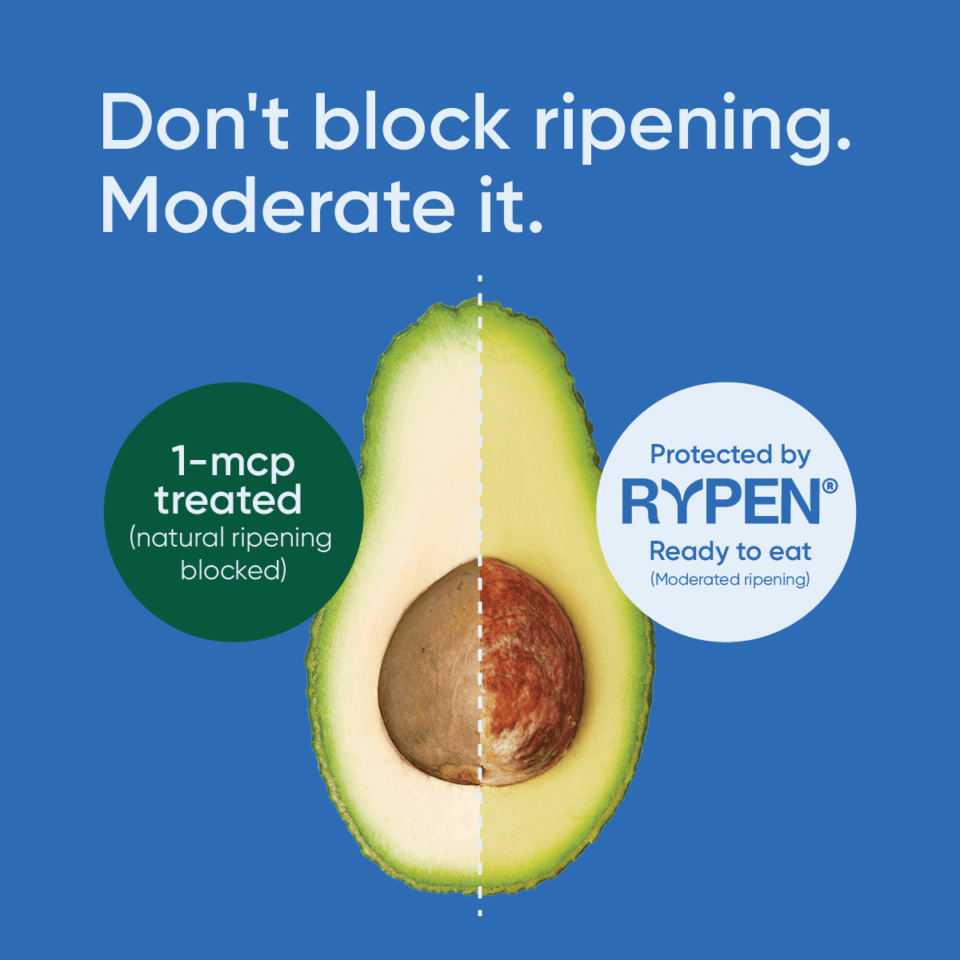
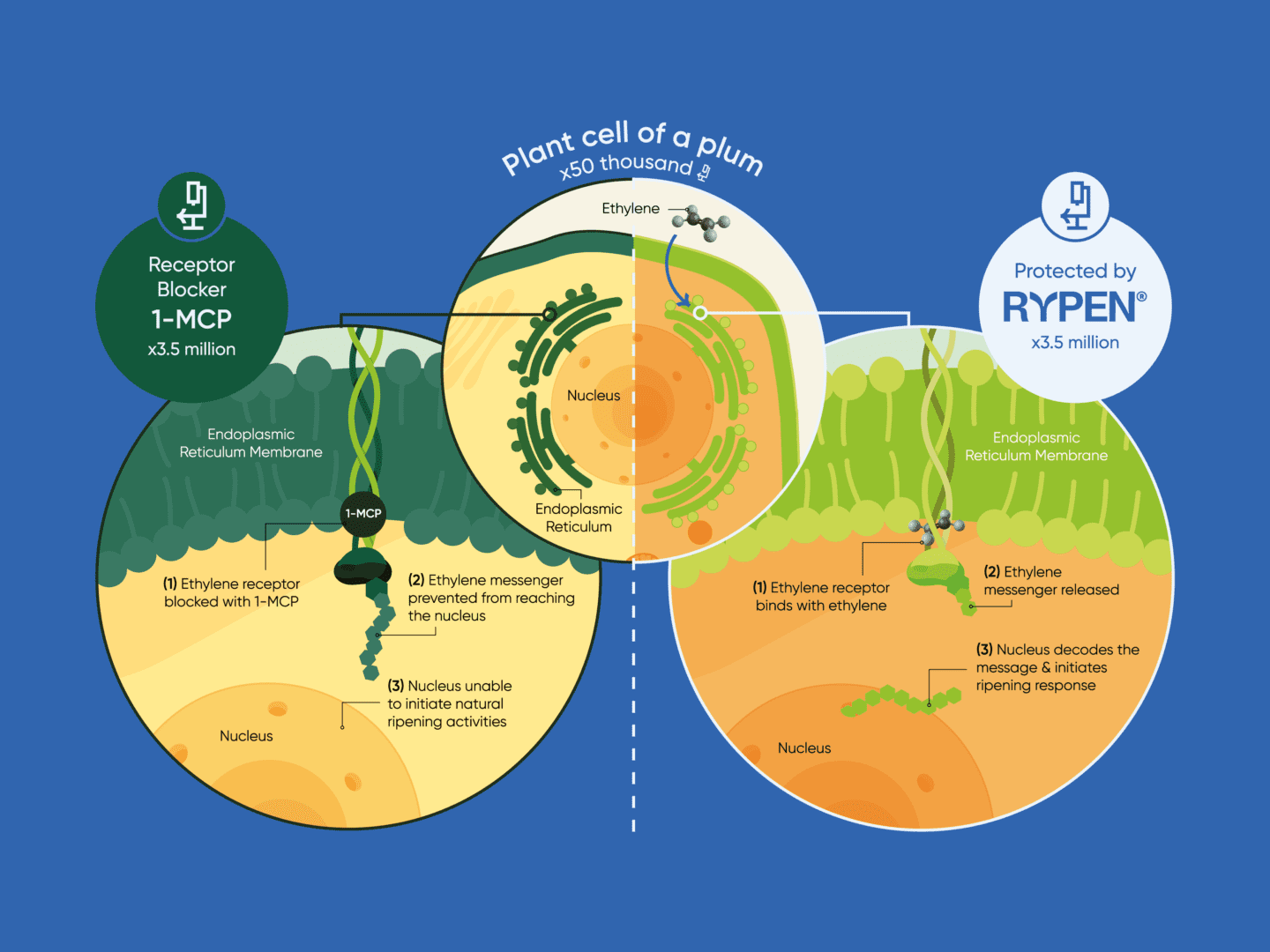
Ethylene management plays a vital role in maintaining the condition of fruit throughout the supply chain. One of the most widely used substances for this purpose is 1‑methylcyclopropene (1‑MCP) – a compound that extends shelf life by binding to ethylene receptors within fresh produce which prevents it from responding to its own ripening signals.
While effective at slowing visible ripening, this approach raises an important question: does inhibiting ethylene always lead to better outcomes?
When control becomes suppression
Ethylene isn’t just responsible for softening or colour change. It is central to flavour development, aroma formation, sugar accumulation, and cell wall structure. By blocking ethylene receptors entirely, 1‑MCP effectively shuts down these natural processes.
This results in fresh produce that is appealing to the eye but doesn’t deliver on the eating experience expected by the consumer. Fruit is often found firmer, less juicy, and lacking flavour. In many cases, ripening does not fully resume, even after extended time at room temperature.
Where 1‑MCP fits and where it doesn’t
There are crops where this level of inhibition makes sense. Apples are a strong example. Crispness and acidity define quality, and 1‑MCP can successfully lock in these attributes immediately after harvest, preserving them through long storage and export.
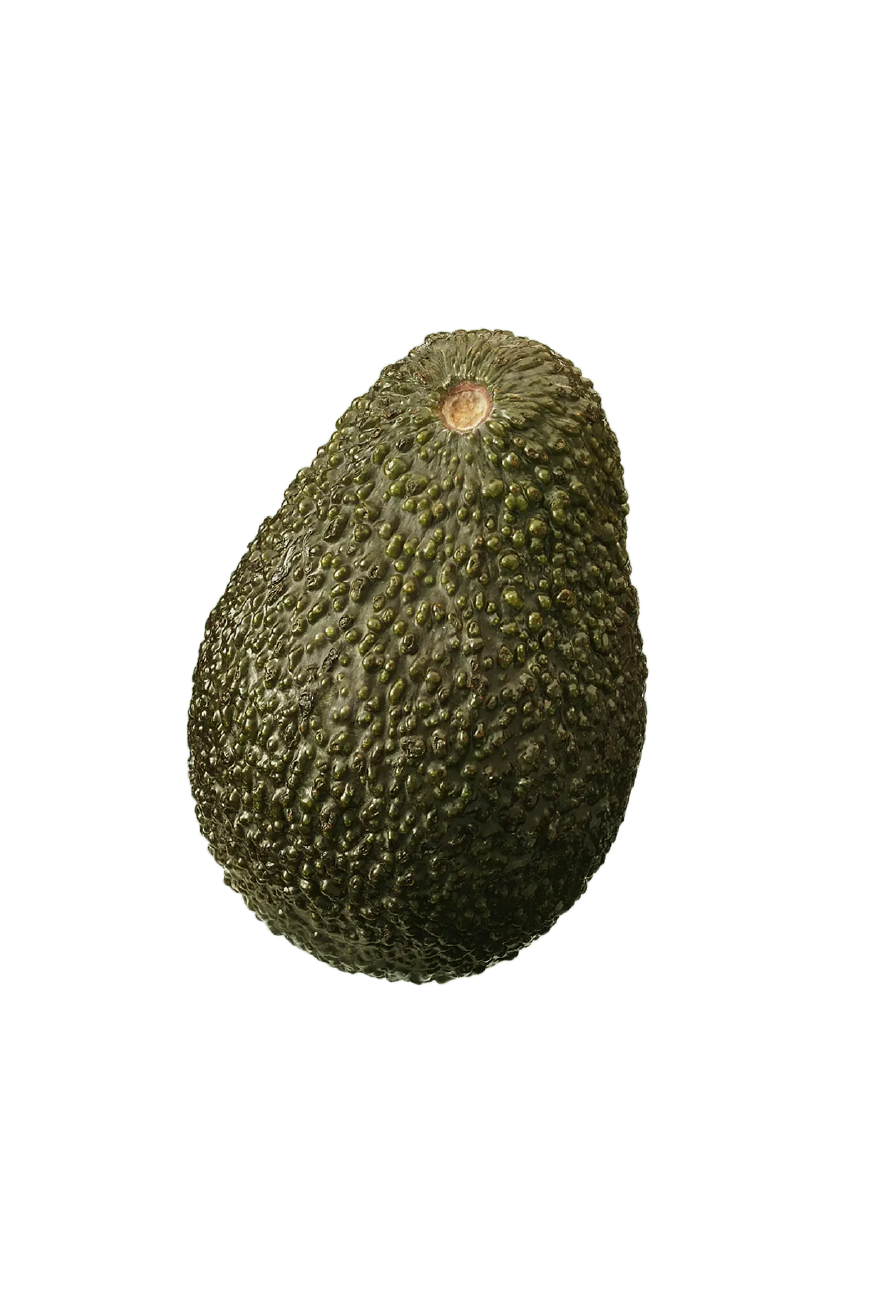
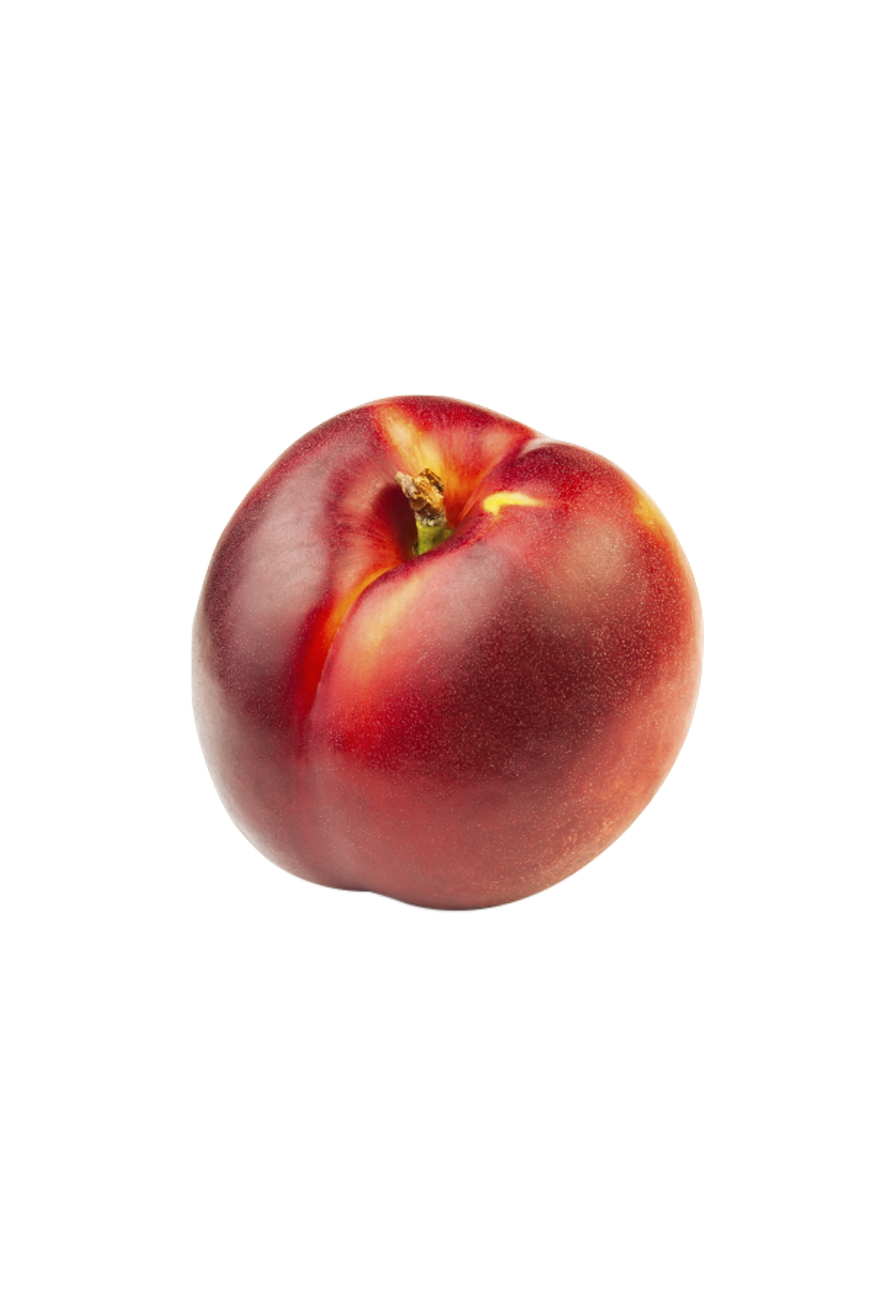
However, for fresh produce where eating quality depends on progressive ripening – such as stone fruits, avocados, pears, kiwifruit, and mangoes – blocking ethylene receptors can block the produce from reaching its peak ripeness.
The hidden cost to eating quality
Blocking ethylene does more than inhibit ripening. It can also disrupt internal physiology. Without low levels of ethylene acting as a protective signal, fruit may develop:
- Internal discolouration
- Cell structure breakdown
- Hard or rubbery flesh
These defects often remain hidden until consumption. This leads to disappointment, household waste, and loss of consumer trust. Over time, this can erode demand for entire categories, directly impacting growers and supply chains.
What the data shows
Taste panel results highlight the difference. In comparative trials on plums, fruit treated with 1‑MCP was over three times more likely to fall into the “dislike” category. Samples were frequently rated as too crunchy and overly acidic.
By contrast, RYPEN‑protected plums consistently delivered better outcomes. Over 90% of samples ranked in the top categories for flavour and juiciness, with 39% more positive and excellent ratings compared to 1‑MCP‑treated fruit.
A smarter alternative
Ethylene is a biological signal that needs moderation, not suppression. RYPEN technology manages ethylene without disabling the receptors within the plant cells of fresh produce, allowing fruits and vegetables to ripen gradually, developing flavour, and delivering the eating experience consumers expect.
Because protecting freshness should never mean compromising quality—and the future of fresh produce depends on both.