

















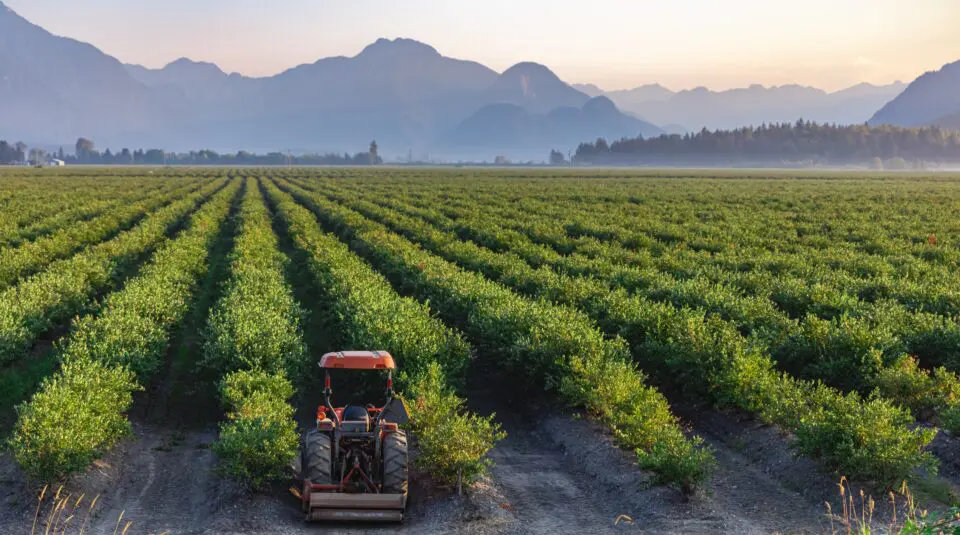
Climate variability influences the way fresh produce is grown, handled, and delivered. Recent seasons have highlighted how quickly conditions can shift—and how significantly these changes affect fruit quality and commercial viability.
In 2024, South Africa’s table grape sector recorded a 12.6% decline in early‑season yields, largely driven by heat‑related stress. Meanwhile, Chile’s stone fruit exports fell 21%, with reduced winter chill causing weak bud break and uneven ripening. These challenges continued into 2025 and 2026 as growers navigated unpredictable weather patterns and tighter postharvest requirements across long‑distance markets.
Key climate pressures affecting export quality
Heatwaves and elevated temperatures: High temperatures accelerate ripening, increase respiration, and shorten shelf life. In many regions, periods of extreme heat are also causing sunburn damage, reducing pack‑out potential.
Reduced winter chilling: Inadequate chill accumulation disrupts bud development—resulting in irregular flowering and inconsistent fruit maturity. For export programs dependent on uniform produce condition, this inconsistency adds further risk.
Water scarcity: Limited water availability continues to impact fruit size, firmness, and overall consistency. Drought‑affected crops often show greater variability, leading to higher sorting losses.
Smarter post-harvest technology is essential
As climate pressures escalate, resilient postharvest strategies are becoming fundamental to export success. By utilising RYPEN packaging products, stakeholders at multiple stages of the supply-chain can benefit from built-in ethylene moderation that:
- Slows ripening, reduces waste and minimises deductions
- Maintains condition over longer transit routes, without compromising natural development and potential
- Improves supply‑chain stability during climate‑related disruptions
- Supports sustainability goals through lower spoilage and better resource efficiency
Supporting a more sustainable future for fresh produce
Climate change is reshaping global fruit production, but adaptable postharvest technology provides a path forward. Strengthening the supply chain from harvest to arrival helps ensure more of what is grown reaches consumers—fresh, flavourful, and with reduced environmental impact.
Pack smart. Protect more. Waste less.