












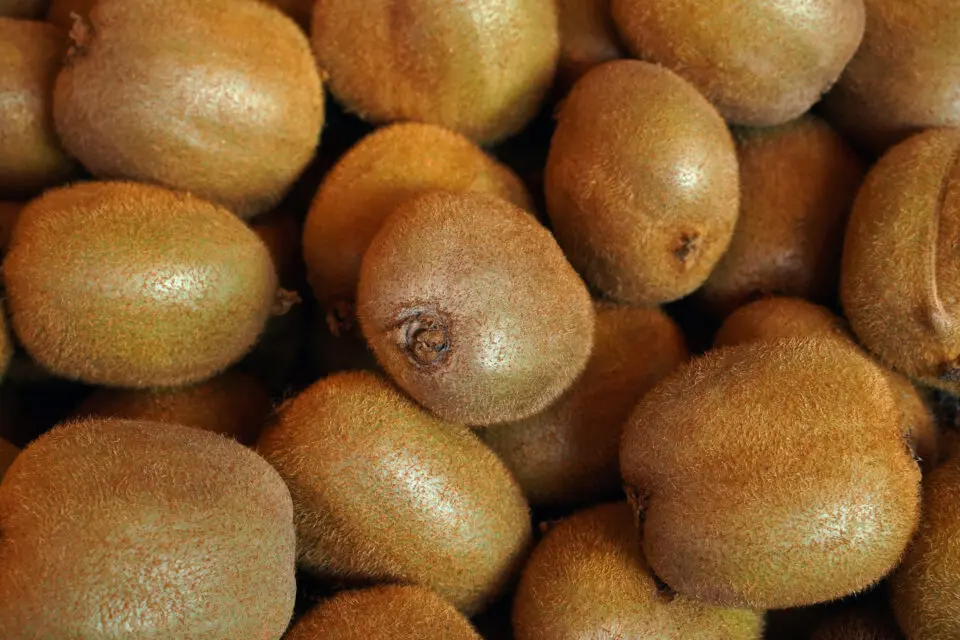
Kiwifruit may be modest in size, but its nutritional density and post‑harvest behaviour make it one of the most interesting fruits in modern supply chains. Often overlooked in favour of more familiar “superfruits,” kiwifruit—across green, golden, and emerging red varieties—offers both impressive health benefits and unique storage challenges.
A closer look at green and golden varieties
The green kiwifruit is the most widely recognised. It’s naturally tangy, fibre‑rich, and well known for supporting digestion thanks to an enzyme called actinidin. From a nutritional perspective, green kiwis deliver more vitamin C per gram than an orange, alongside potassium and a range of antioxidants.
Golden kiwifruit, developed and commercialised by Zespri, brings a smoother, sweeter flavour profile with subtle tropical notes. While gentler on the palate, it doesn’t compromise on nutrition:
- Typically higher in vitamin C than green varieties
- A different balance of antioxidants
- Lower acidity, appealing to a broader consumer base
Together, these varieties demonstrate how diversity in produce can meet both taste and health preferences.
Lesser‑known facts about kiwifruit
- Despite the name, the fruit originated in China, not New Zealand.
- The golden variety was developed through natural cross‑breeding, not genetic modification.
- In red kiwifruit, the red centre appears only at full maturity, meaning they must stay on the vine longer than green varieties to develop their colour and sweetness.
These characteristics are part of what makes kiwifruit both fascinating—and challenging—to manage post-harvest.
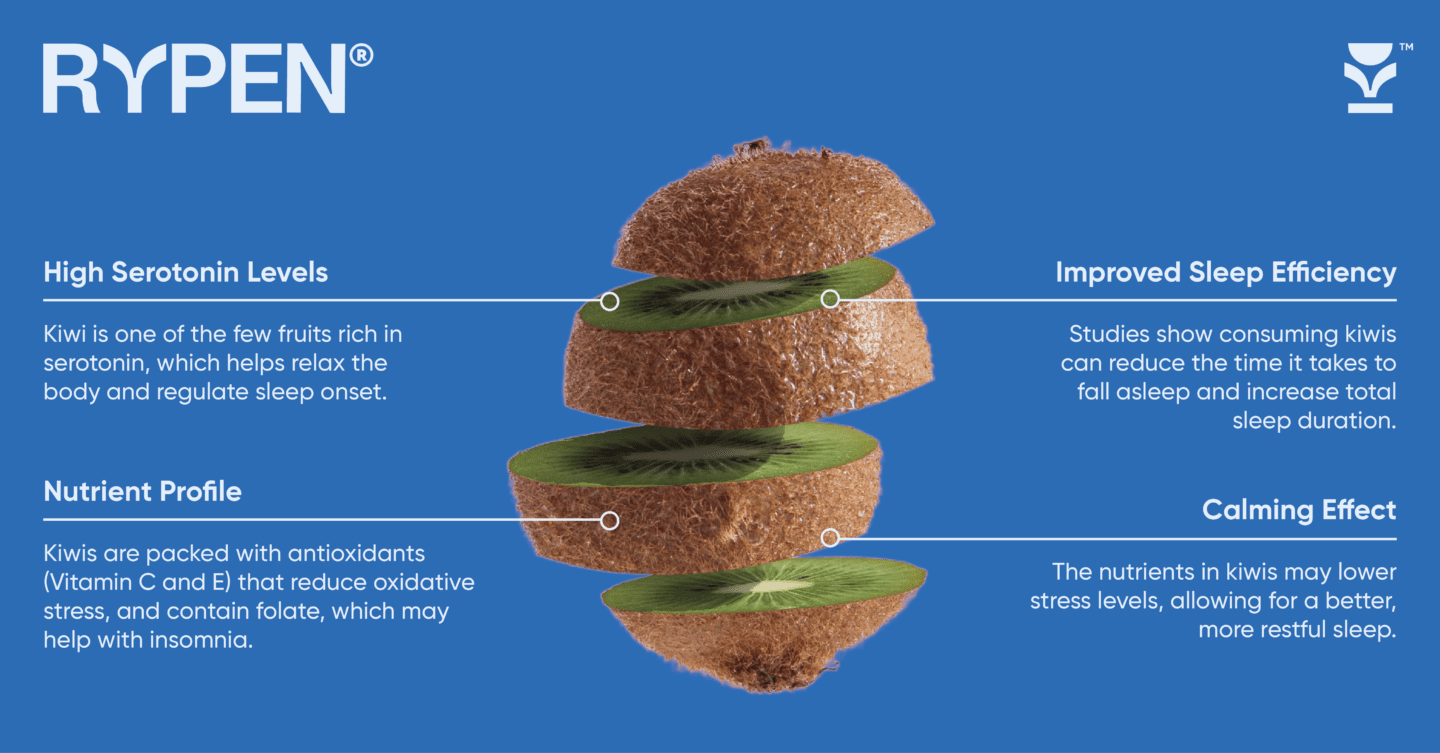
Ethylene sensitivity: a hidden challenge
Kiwifruit is one of the most ethylene sensitive fruits in commercial circulation, reacting to ethylene concentrations as low as five parts per billion. Even trace exposure during storage or transport can accelerate ripening, reduce firmness, and shorten shelf life unexpectedly.
RYPEN addresses this issue by harnessing natural ripening with a flavour‑led approach to fresh produce preservation, capturing excess ethylene from the air surrounding kiwifruit and reducing the concentration of free ethylene. By moderating and slowing ripening, rather than suppressing it, RYPEN allows flavour, aroma and texture to develop whilst protecting condition through storage and transport to ensure kiwifruit arrives at its destination exactly as nature intended.