











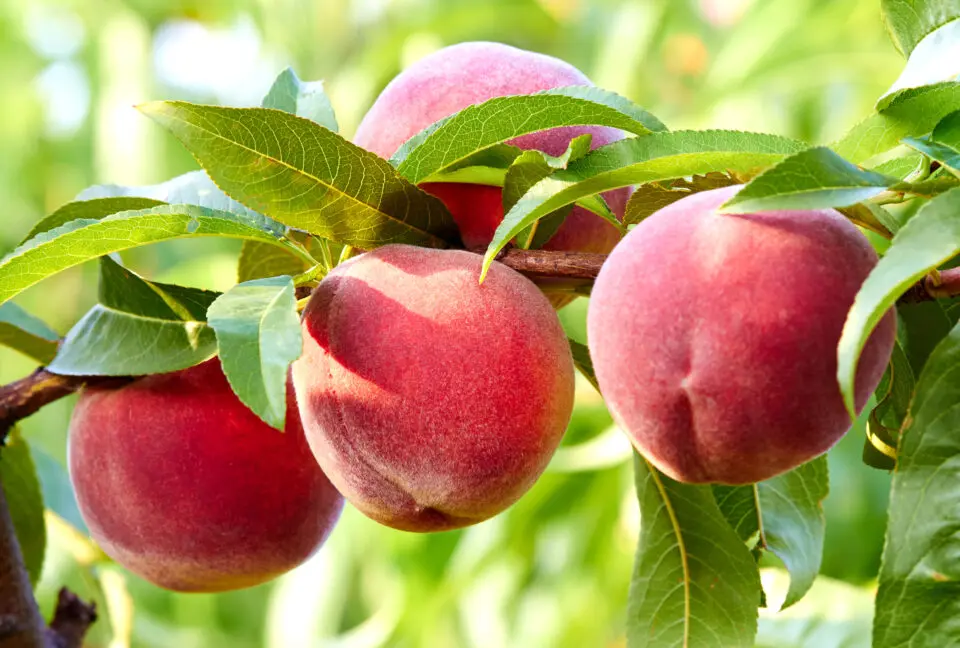
Peaches and nectarines are staples of global stone fruit production, with countries like South Africa exporting around 29,000 tons in 2024 and Chile shipping over 116,000 tons in the 2024/25 season. Despite their popularity and economic importance, the difference between these fruits comes down to a surprisingly small biological detail.
One species, two textures
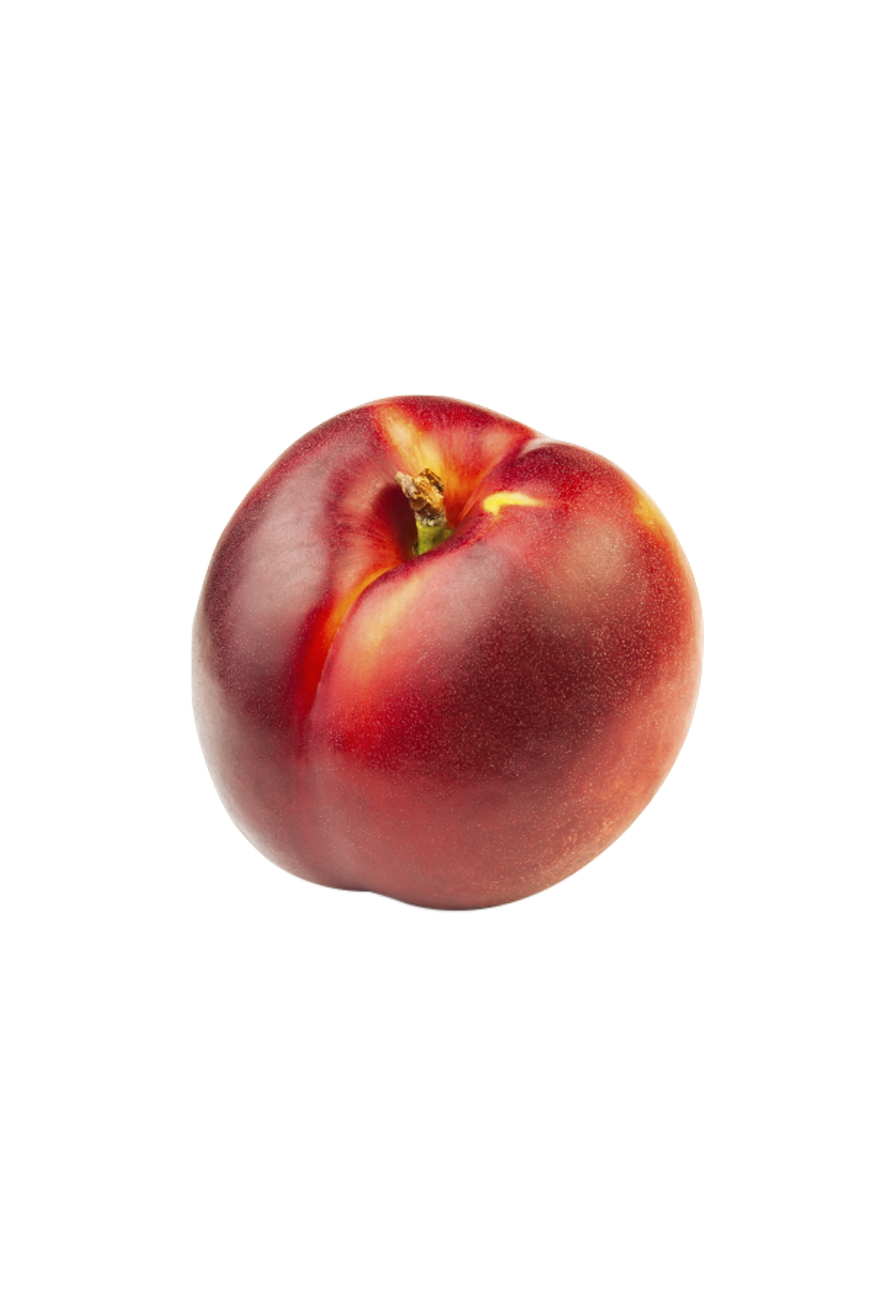
Both fruits belong to Prunus persica, meaning peaches and nectarines are genetically almost identical. The defining variation lies in a single recessive gene. When that gene is inactive, the fruit develops smooth, hairless skin—creating a nectarine. When active, it produces the characteristic peach fuzz.
This mutation affects texture only, not nutritional value or flavour. Remarkably, a single tree can produce both fruit types depending on how this gene expresses on different branches.
Texture, eating quality & consumer experience
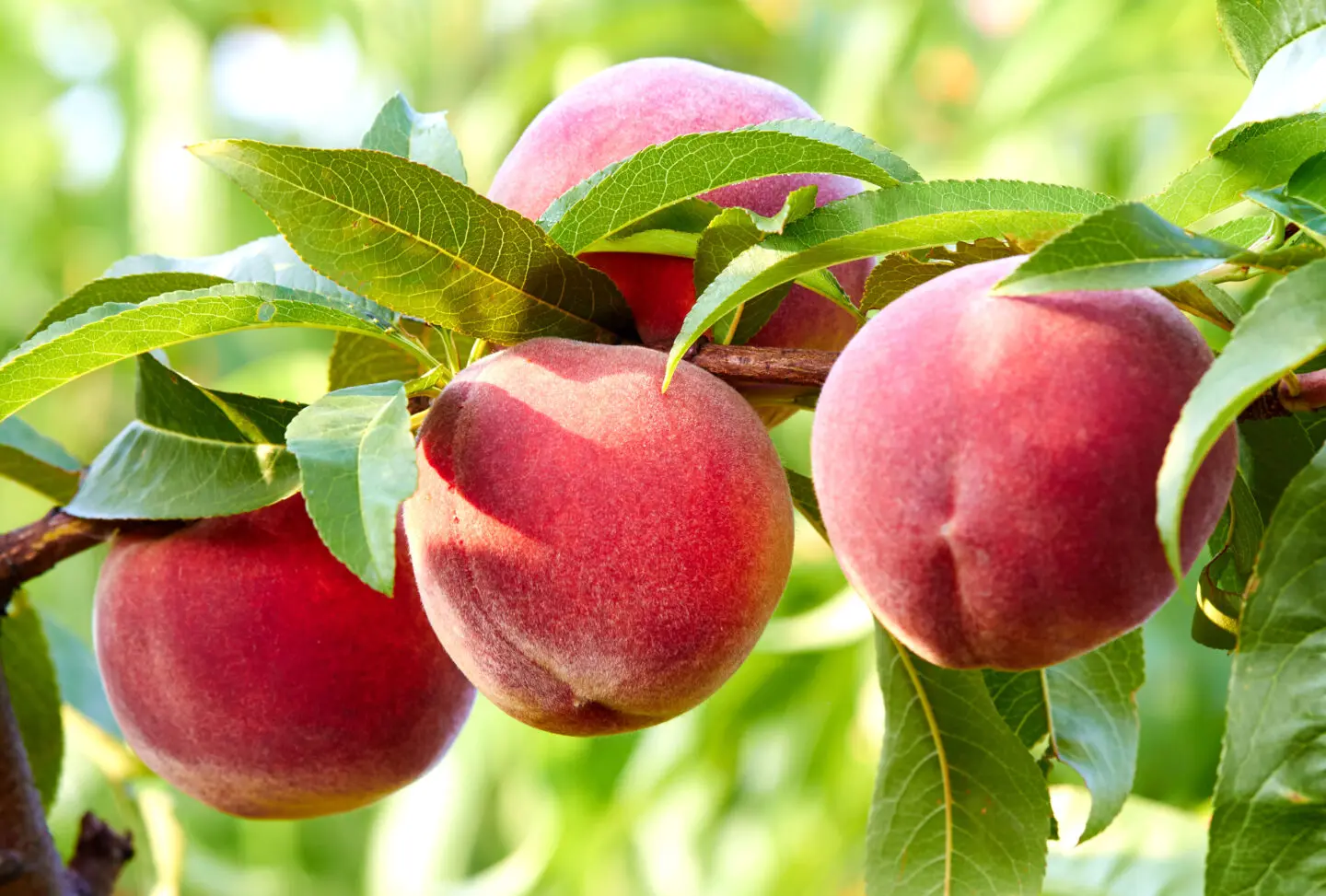
While the taste profile of peaches and nectarines is similar, their textures lead to different preferences and handling considerations. Nutritionally, both provide vitamins A and C, and are rich in antioxidants. This makes them appealing for health-focused consumers.
Peaches are characterised by their soft skin with a protective fuzz on the surface. They’re typically juicier with a more delicate flesh, putting them at higher risk of bruising and pressure damage.
Nectarines, on the other hand, have a smooth, firm skin and a slightly denser bite. They are also more resilient to the stresses inflicted upon them during handling and transportation.
Why these differences matter post-harvest
A small genetic mutation leads to meaningful differences for exporters, cold‑chain operators, and retailers. Skin texture and firmness influence how each fruit behaves during storage and transport:
- Handling Sensitivity: Peaches require gentler packing and more protection due to their softer exterior.
- Moisture and shrivel risk: Nectarines can lose surface moisture faster, making humidity control essential.
- Chilling response: Both peaches and nectarines can develop chilling injury, but susceptibility varies by cultivar and maturity stage.
These subtle differences reinforce an important postharvest principle: small biological variations can shift the entire handling strategy of a fruit category.
Ethylene management: a key quality lever
Peaches and nectarines are climacteric fruits, meaning they continue to ripen after harvest. Ethylene plays a central role in softening, aroma development, and overall eating quality.
Effective ethylene management helps:
- Maintain firmness during long-distance shipping.
- Reduce losses caused by premature ripening.
- Improve consistency across retail displays.
- Extend overall shelf-life and marketability.
For high‑volume exporting regions, optimising ethylene exposure is crucial to protecting fruit texture and ensuring the best consumer experience.