















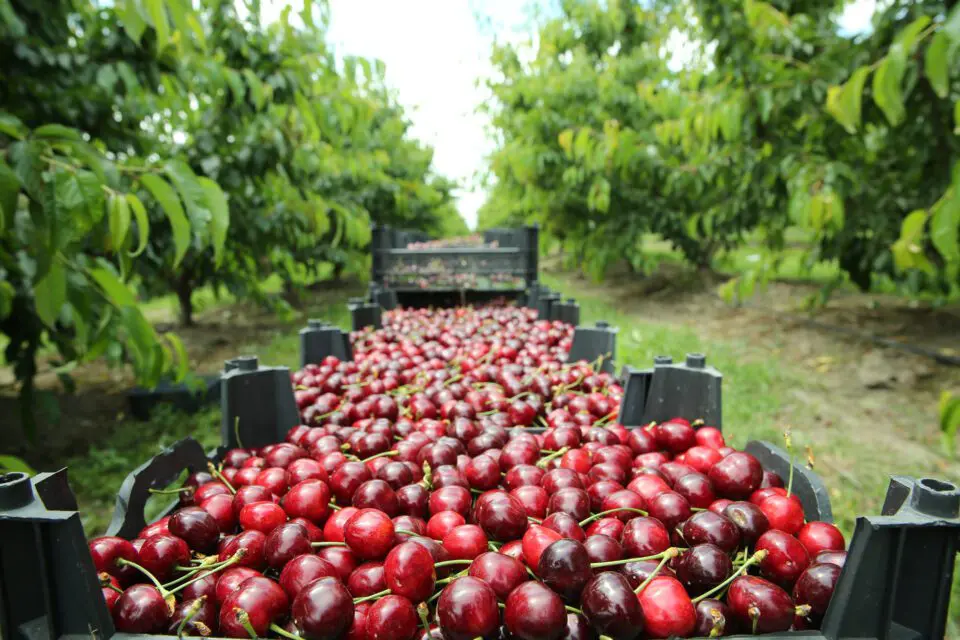
Sweet cherries are a premium crop, enjoyed by consumers around the world. Beyond their appeal, they also offer unique nutritional benefits, including naturally occurring melatonin associated with sleep regulation.
However, maintaining cherry condition from harvest through to market requires careful supply-chain management, as cherries are among the most sensitive fruits. Understanding the biological and postharvest factors that influence condition is therefore essential to delivering cherries with consistency.
Colour, maturity and eating experience
Across fresh produce a key indicator of maturity and eating quality is colour and this is no different for cherries. They accumulate sugars and anthocyanins as they ripen, increasing sweetness, flavour, and red colour intensity.
As a result, darker cherries are typically associated with higher eating quality, stronger consumer appeal, and more premium retail positioning. Therefore, preserving colour and flavour integrity through handling and transport is critical to meeting market expectations.
The stem: a critical quality indicator
Stem condition remains one of the most sensitive visual indicators of overall cherry freshness, reflecting how well the fruit has been managed post-harvest. As explored in our previous article as well as by the Cherry Times, stems are highly responsive to ethylene, with unmoderated exposure accelerating browning and dehydration.
In today’s extended storage and long‑distance supply chains, even low, unmanaged ethylene exposure can rapidly accelerate stem degradation, directly impacting shelf life and market value—an effect regularly observed by the RYPEN technical team in control groups during commercial trials.
The challenge of managing such a highly perishable crop
Despite best‑practices, cherries remain highly perishable once they leave the cold chain. Even brief temperature fluctuations or unmanaged ethylene exposure can accelerate ripening, soften fruit and shorten shelf‑life. For longer and more complex supply chains, refrigeration alone is not always sufficient to protect quality.
Supporting quality through innovation
RYPEN’s ethylene‑moderating technology supports cherry condition at every stage of the supply chain. By naturally slowing ripening and reducing ethylene‑related stress, it helps to:
- Preserve firmness
- Maintain stem freshness
- Protect shelf‑life through transit
These benefits accumulate along the journey, delivering their greatest value at destination markets — benefiting growers, exporters, retailers and consumers alike.