





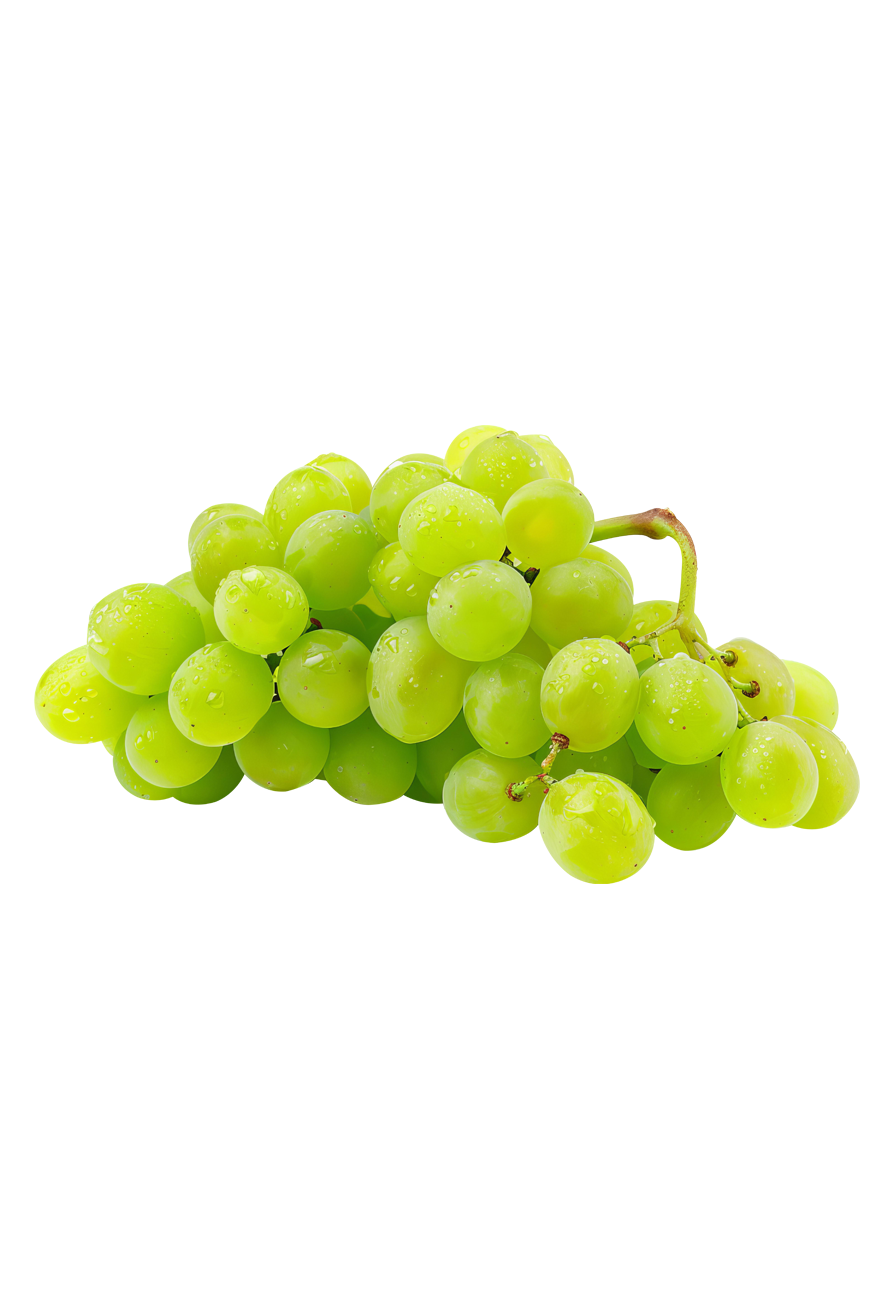







Table grapes and wine grapes may share a common ancestry, but they are developed for very different purposes. Their flavour, texture and structure reflect whether they are intended to be eaten fresh or transformed into wine.
What determines table grape flavour?
Colour may distinguish green, red and black table grapes, but it does not always provide a reliable guide to flavour. Two grapes can look almost identical yet deliver very different eating experiences. One may be crisp and mildly flavoured, while another is floral, Muscat-like or intensely sweet.
This variation is shaped by the grape variety, aroma compounds, texture and the balance between sugars and acids. Colour comes from pigments in the berry skin, while flavour is influenced by a broader combination of naturally occurring compounds.
Historically, table grapes were selected for sweetness, appearance, texture and storage performance. Modern breeding programmes have broadened this range through natural crossbreeding, producing varieties with distinctive floral, fruity and confectionery flavour profiles.
However, greater flavour complexity can create challenges. Some highly flavoured varieties may require more careful crop management, have shorter storage windows or show greater sensitivity to ethylene after harvest.
How do table grapes differ from wine grapes?
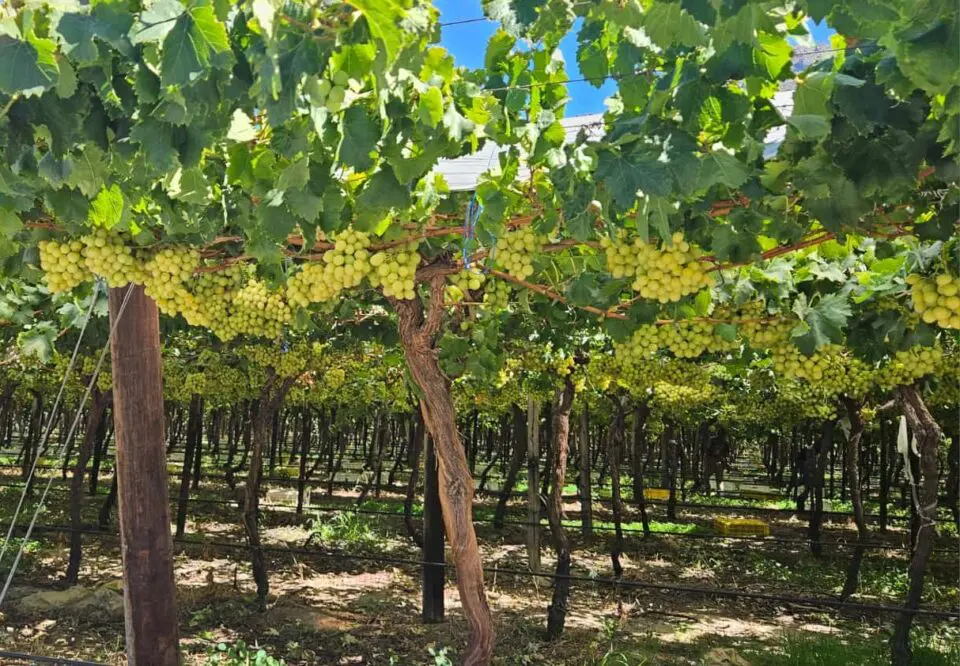
Table grapes are bred for fresh consumption. Large berries, thin skins, crisp texture and visual appeal make them enjoyable and convenient to eat.
Wine grapes are grown for fermentation. They are generally smaller, with thicker skins and a higher proportion of skin to juice. Many of the compounds contributing colour, flavour and structure to wine are concentrated in the skin. Wine grapes also develop the sugar required for fermentation while retaining sufficient acidity for balance.
As a result, the two types are not easily interchangeable. Table grapes generally lack the concentration required for balanced winemaking, while wine grapes may taste overly intense, seeded or astringent when eaten fresh.
Looking beyond colour
Just as two white wines can have completely different flavour profiles, grapes of the same colour can offer very different experiences. Whether intended for the fruit bowl or the winery, each grape reflects careful decisions made during breeding, cultivation and harvest.