











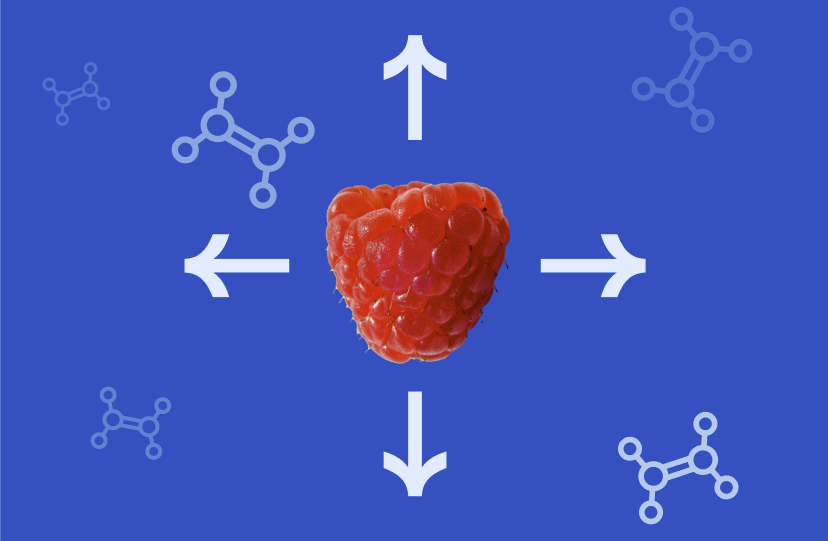
Raspberries are among one of the most delicate berries. Therefore, maintaining their condition after harvest is a major challenge across the supply chain. Their fragile structure makes them highly prone to moisture loss, softening, and rapid defect development, all of which affect shelf life and marketability.
Why raspberries lose moisture rapidly
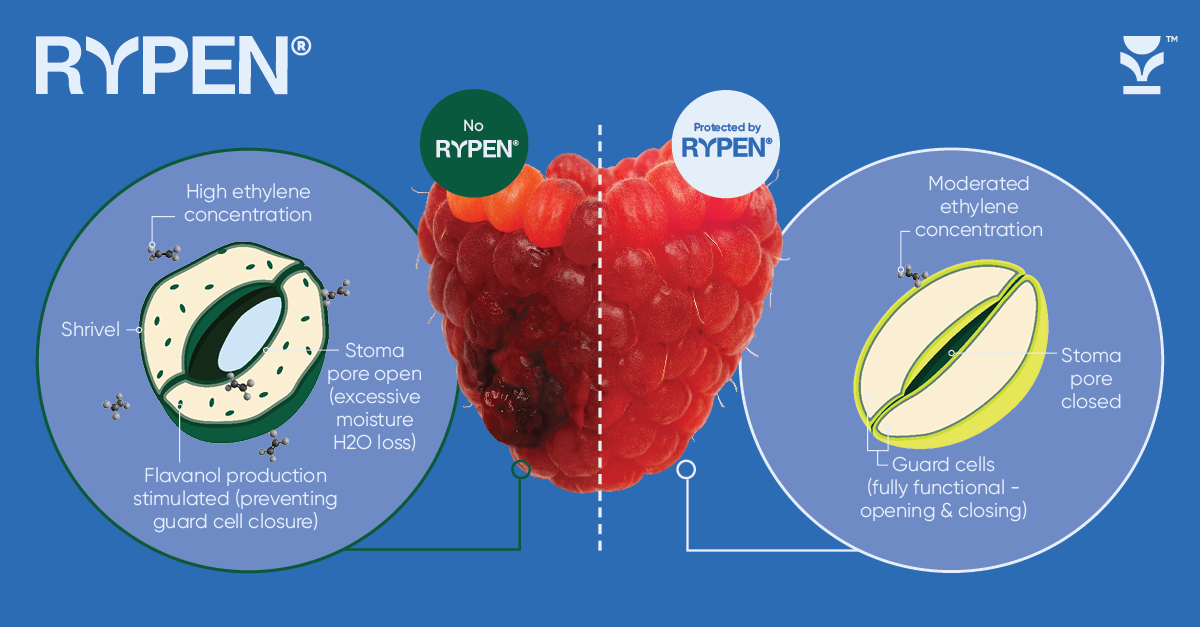
Each raspberry is made up of many small segments called drupelets. These drupelets have extremely thin skin, making them highly vulnerable to dehydration once harvested. Even small amounts of water loss can lead to softening and textural breakdown, a noticeable dulling of colour, and a rapid decline in freshness, leaving the fruit increasingly susceptible to rots, mould, and collapse.
The role of stomata in water loss
On each drupelet are tiny pores called stomata. After harvest, raspberries gradually lose the ability to close these pores, which accelerates moisture loss. When the stomata remain open, internal moisture escapes more quickly, firmness declines, vulnerability to microbial attack increases, and shrivelling and visible defects appear much sooner.
Ethylene’s influence on stomatal function
Ethylene, a natural plant hormone, affects how stomata behave. The stomata remain sensitive to ethylene in postharvest environments. This means high ethylene concentrations can increase moisture loss, speed up softening, and shorten shelf life.
RYPEN’s ethylene‑moderating technology helps preserve stomatal integrity and slow deterioration, while still supporting natural ripening. By doing so, it helps retain moisture, maintain firmness, preserve colour, reduce the risk of rots and mould development, and ultimately extend shelf life. For growers, distributors, and retailers, this means more optimal arrivals, fewer claims, and a more enjoyable product for consumers.