


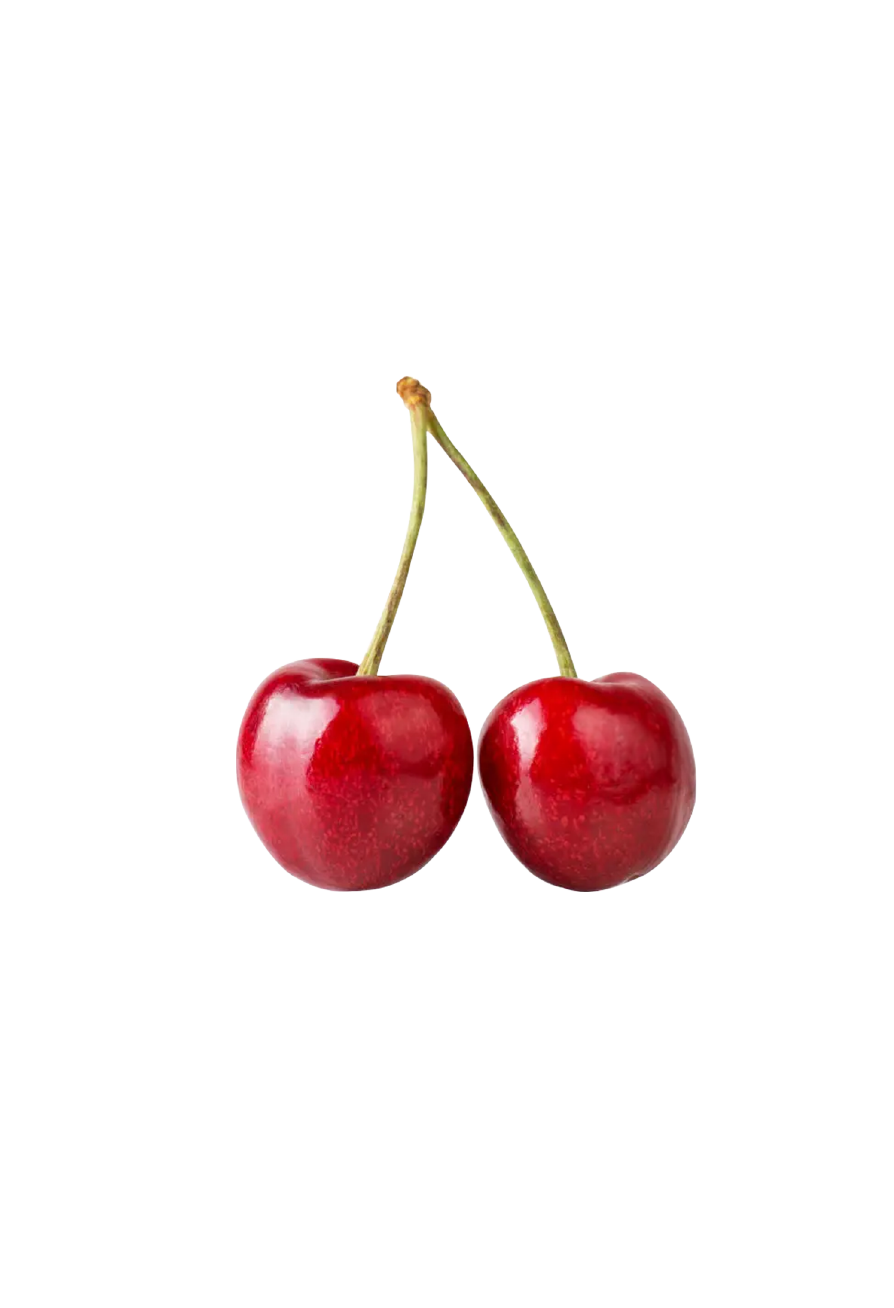



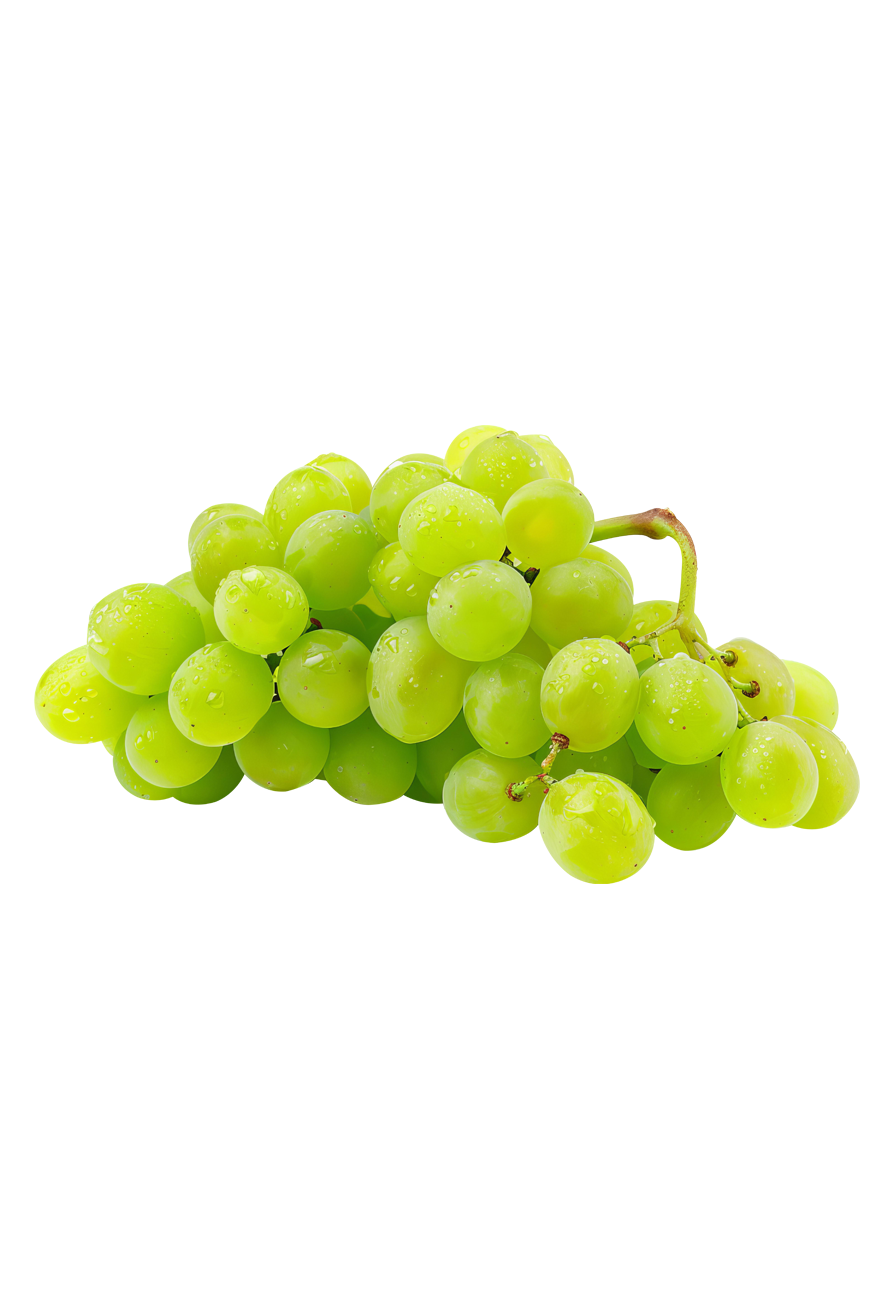








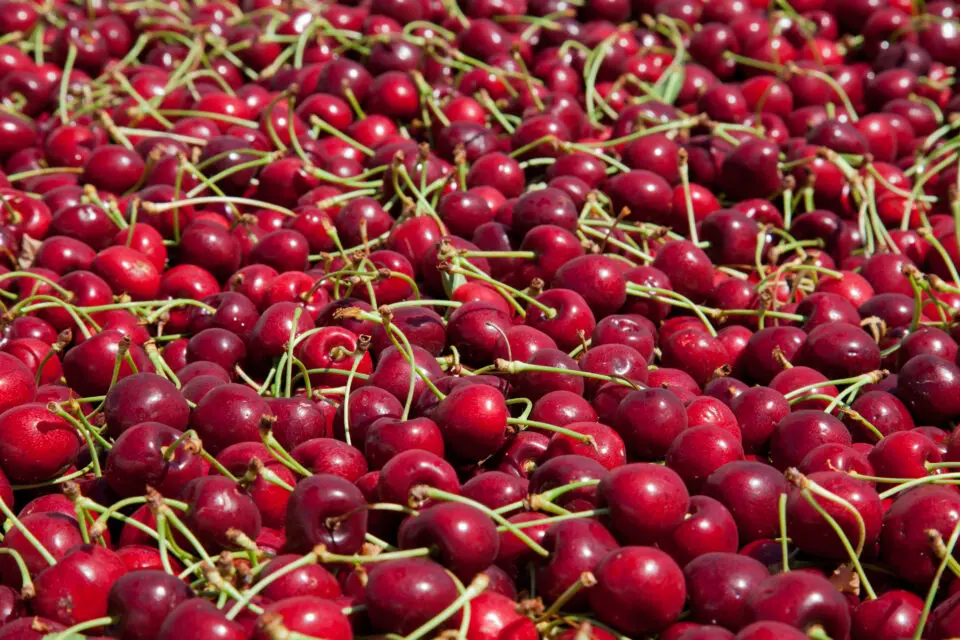
When evaluating fruit quality, focus often falls on the berries themselves. For grapes and cherries, however, freshness is just as strongly signalled by the stems (rachis and pedicel).
These stem structures may seem secondary, but they play a vital role in maintaining fruit integrity—and they are among the most ethylene‑sensitive tissues post‑harvest.
Why stems matter
The rachis in grapes and the pedicel in cherries act as conduits for moisture and structural support. When these tissues degrade, quality declines rapidly.
- A green, hydrated stem signals freshness.
- A dry, brown stem suggests ageing—regardless of the fruit’s internal condition.
Once stem tissue begins to perish, issues such as shatter and softening follow, reducing shelf life and market value.
Ethylene’s role in stem degradation
During extended storage or long‑distance transport, ethylene exposure accelerates browning and desiccation in these highly sensitive tissues. Even low concentrations can trigger rapid cellular breakdown. The effects of ethylene often go unnoticed until visible damage appears—by which point it is usually too late. Modern supply chains, with longer transit times and complex handling, only amplify this risk.
Proven impact through ethylene moderation
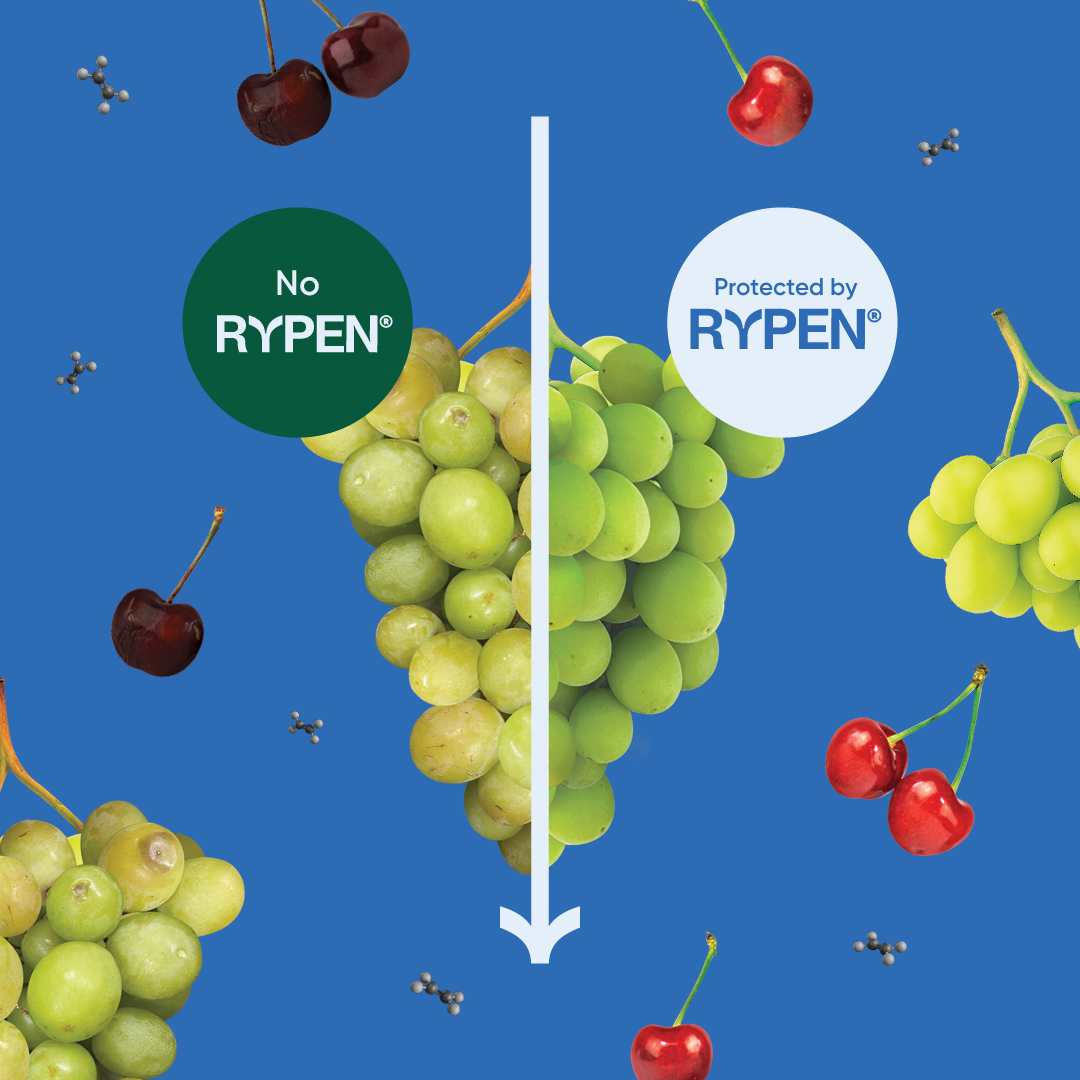
RYPEN actively moderates ethylene post‑harvest to protect the most vulnerable structures.
- Across numerous long‑range commercial cherry shipments from Latin America to Asian markets, severe stem defects have been reduced, including reductions of up to 68x.
- Across the 2024–2025 season, rachis dehydration in grapes was reduced by an average of 25%.
These outcomes translate to reductions in overall defects and higher consistency of the fruit itself, which ensures stronger shelf appeal and longer selling windows on arrival.
Freshness is in the details
Appearance drives value which means protecting subtle, yet critical tissues is essential. Ethylene may be invisible to the naked eye—but its impact on freshness is unmistakable.